Friday, 2 January 2015

Iceland - The Golden Circle.

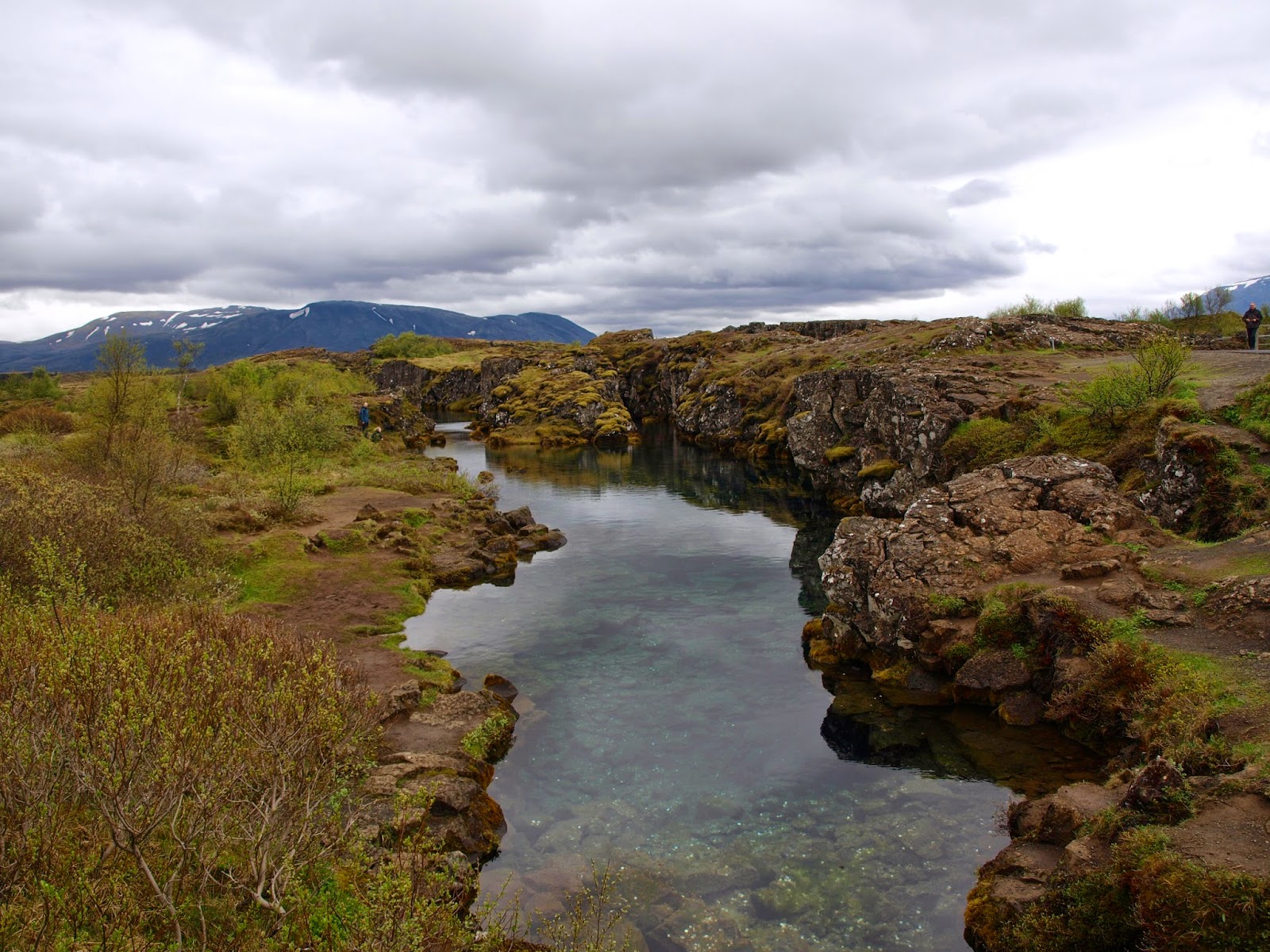
Well, this post is extremely late but I thought I would share some photos of a trip I took to Iceland with my Lund friends Lisa, Natalja and Martina. We went at the start of June when it was light pretty much 24h a day which was quite strange. As I am writing this post almost 7 months later I will mostly leave it to the pictures to describe Iceland. It was very different to anywhere I have ever been and definitely had a hardy, Nordic, fisherman feel to it - combined with the luna-esque landscape, black sandy beaches and geothermal springs you could almost believe you were on a different planet! 


Our first stop was Þingvellir national park - part of Iceland's famous Golden Circle. It is the site of a rift valley that marks the crest of the Mid-Atlantic Range. It is also home to Pingvallatan , the largest natural lake in Iceland. Þingvellir became a national park in 1928 due to its historical importance as the site of the first Parliament, as well as the special tectonic and volcanic environment as a rift valley. The continental drift between the North American and Eurasian Plates can be clearly seen in the cracks or faults which traverse the region, the largest one, Almannagjá, being practically a canyon. This also causes the often-measurable earthquakes in the area.


Next we headed over to Geyser - the geothermal fields where steam and boiling hot water rises eerily out of the ground. Iceland has high rates of volcanic activity, geysers and hot springs are located all over the island. The geyser erupts every 5-10 mins and it is pretty impressive to see!


The final stop in the Golden Circle is Gullfoss - a huge three tier waterfall. The water falls 32 meters in two stages through the canyon and on sunny days has an almost permanent rainbow above it due to all the spray. The pictures don't capture just how powerful it was! 


Saturday, 26 April 2014

Last day in Stockholm - Vasa Museum:

We both slept well in the hostel Sunday night after all the fresh air the day before and woke up sad but ready to take on our final day in Stockholm. We had booked a later flight back to Malmo so that we could make the most of the day and so once we were all packed up and checked out we headed towards our final stop, the Vasa Museum. 


The Vasa Museum is a maritime museum in Djurgarden and is home to the only almost fully intact 17th century ship which has been salvaged, the 64 gun warship Vasa. The Vasa sank during her maiden voyage in 1628 and lay in Stockholm harbour for 333 years before it was salvaged in 1961. The museum constantly came up in my searches of the top things to do in Stockholm and according to the website, is the most visited museum in Scandinavia (it has been seen by over 25 million people). Now, the lighting inside was quite dim (in order to preserve the wood) and my SLR decided to die just as we got in so the photos aren't amazing but if you want more information the official website is http://www.vasamuseet.se


When you walk in the first thing that hits you is the immense size of the ship, it is absolutely huge. It was really hard to get a sense of perspective in the photos but you couldn't fit the whole thing in one picture, which is unsurprising when you think it was built to carry a crew of 450 men. The ship wasn't even the largest built at the time but is still an impressive 69m long, 11.7m wide and up to 52.5 meters high. The whole ship has been reconstructed and is 98% original, it was preserved well in the brackish waters of Stockholm harbour and so did not rot away like many other shipwrecks. 


Here you can kind of see its size in comparison to the people viewing it!


The museum was laid out really well and allowed you to view the ship from 6 levels - from high above on the viewing platform, to down below right at the bottom of the ship. There were lots of exhibits and films about the salvage and history of the Vasa which I think would be interesting to everyone, even those without an interest in maritime history. It was so interesting that we lost track of time and ended up spending over 2 hours wandering around the museum, only giving us a short period of time to have a final look around Gamla Stan and buy some souvenirs. 


I bought a couple of postcards and this gorgeous print - it was only £20 (not bad for a tourist zone where people are trying to flog you tea towels for £15!) It is really great quality and captures Stockholm as it was when we were there, sunny and vibrant. 

Overall I had a fantastic time in Stockholm, it is a stunning city and we had brilliant weather for our trip, Easter next year will have a lot to live up to! I would whole heartedly recommend it as a city to visit and I hope it wont be too long until I get to go back again. 

Finnhamn - Day Three:

One of the things Stockholm is famous for is its beautiful archipelago, it is made up of more than 20,000 islands and is one of the most beautiful archipelagos in the world. We shopped around for boat tours but because we were visiting before the summer season the choice was a bit more limited. In the end we opted to take the ferry to one of the further away islands and spend the day there as that gave us the best chance to see the other islands as we sailed past. We settled on the island of Finnhamn, a 2.5 hour boat ride away from central Stockholm and an island famed for its beautiful nature and peacefulness. The boat ride cost around £13 each way which was slightly cheaper than some of the tours on offer which didn't go as far out in to the archipelago. 


It was a super sunny day and soon we were leaving the city far behind and skirting the islands. Pretty much as soon as we set sail I was hungry again, luckily there was a reasonably priced cafe on board so I grabbed some snacks.


Reindeer meat wrap for breakfast, anyone?


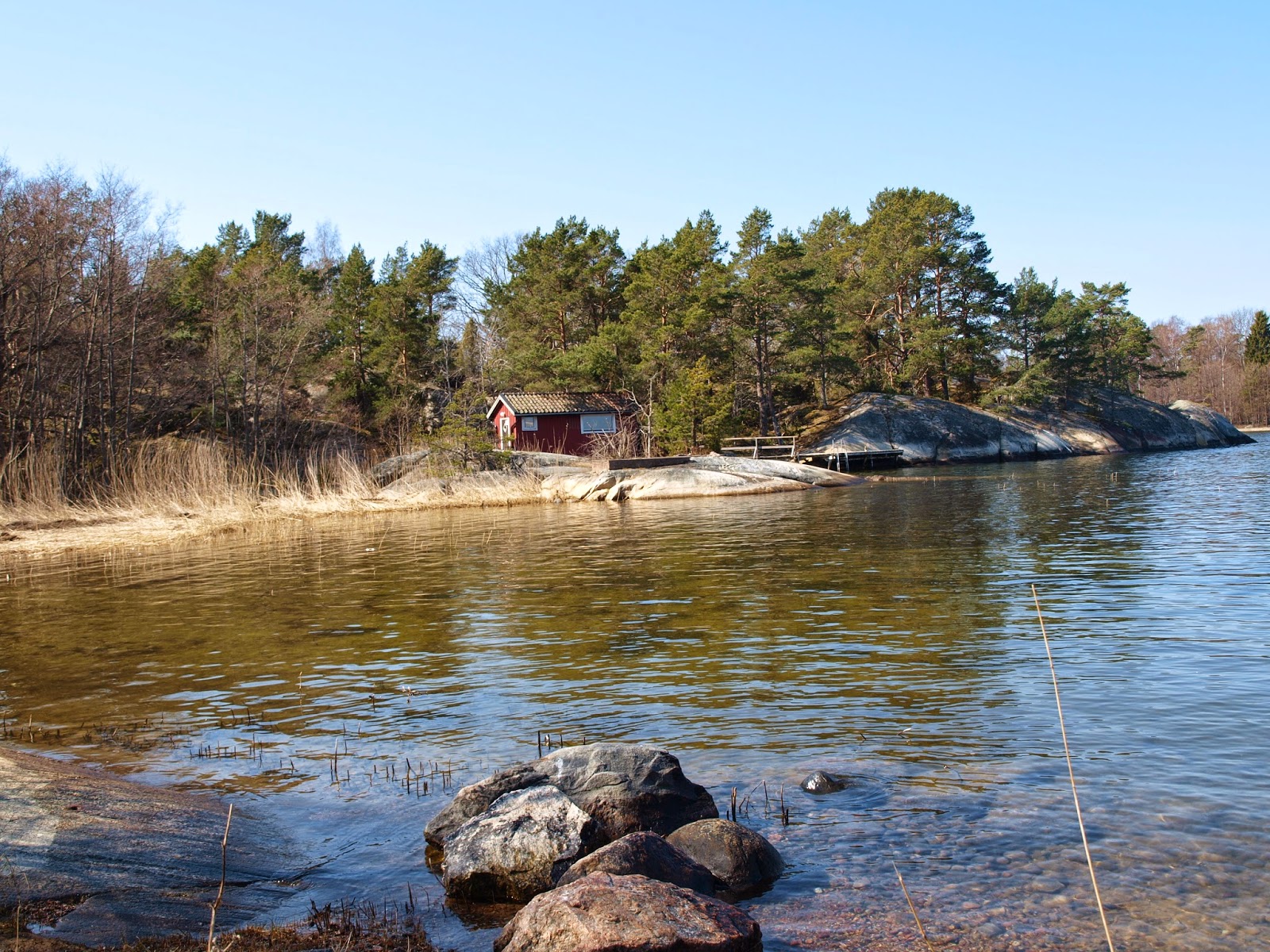
I love these traditional red Swedish houses which were dotted everywhere over the islands, they looked so quaint and I can imagine it would be amazing to spend a lazy summer holiday in one, playing on the island and having barbecues by the water.


Coming up to 3 hours later we finally reached Finnhamn, the whole island is a nature reserve and has a hostel, campsite, restaurant and farm. The name Finnham translates to Finn Port and comes from when Finnish boats would call at the island on their way to and from Stockholm. It is also one of the only islands where you will find a lot of oak trees growing, it is famed for its beautiful hiking trails and scenery, so we were keen to get out and stretch our legs. 


As the boat sailed away it felt a bit like being stranded on some amazing, Robinson Crusoe island, you really did feel like you were in the wilderness as the ferry we took only comes to the island twice a day.


Our plan of action was to have a scramble and explore before finding a sunny spot to lounge around in, read our books and have an Easter picnic. 


It was an amazingly beautiful and peaceful place. I really want to go back one day and camp there, you can camp almost anywhere you want on the island and little wooden holiday huts are scattered around. We passed a couple of tents with big campfire pits and log benches around them and it just looked perfect. 

We stopped and sat looking out over the sea for a while, watching the boat chug in to the distance. The other people who had got off the boat with us quickly dispersed across the island and we only bumped in to one or two for the rest of the day, which just proves that you really can get lost in nature there, a lovely escape from the hustle and bustle of Stockholm city.


When the first spot started to get a bit chilly from the wind coming off the sea we packed up and went on a little exploration. After a sunny walk through the woods we came across the perfect spot for our chilled out day.


We set up camp and had a little snooze in the sun (accidentally sunburning our faces in the process). Soon it was lunch time and Amy whipped out our traditional Swedish 'treat'. 


Onion pickled herring! Pickled herring is a very popular food in Sweden and the other Nordic countries and according to Amy, is a traditional Easter fare. The herring is usually cured with salt to extract water and then added to a mixture of salt, sugar, vinegar, peppercorns, bay leaves and onions. It is something I had been meaning to try whilst I was in Sweden but until now I had always managed to find an excuse to avoid it, with good reason it turned out! Amy went first and she seemed to quite enjoy it, she said the texture was strange but it tasted okay. Not wanting to be the wimp I quickly popped some in my mouth and tried to chew - bleughhhh. It was horrible!! It was really slimy and fishy (duh) and I couldn't bring myself to swallow it so quickly dashed off to the bushes to spit it out.

Herring initiation done I stuffed my face with a more conventional Easter food, chocolate, and took a big bite of salami to try and mask the fishy taste. We sat for a while longer in the sun while Amy wrote in her diary and I caught up with the Radio 4 Comedy Podcast and before we knew it, it was time to head back towards the jetty. 


Doesn't it look magical?? Definitely has a Swiss Family Robinson vibe!


The timing worked out well as we sailed back just in time to catch the sun setting over the islands. It was a truly wonderful day and I am already planning my return to the archipelago.